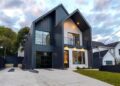
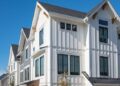
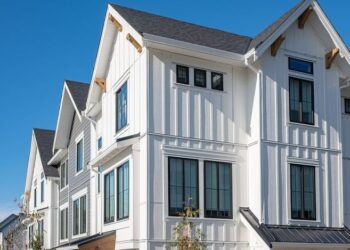
Delve into the world of vertical siding houses, where architectural beauty meets practicality in a seamless blend. From innovative design trends to essential maintenance tips, this guide covers all you need to know about vertical siding for your home.
Overview of Vertical Siding Houses
Vertical siding in architecture refers to the installation of siding panels in a vertical orientation, as opposed to the more traditional horizontal orientation. This design choice can create a unique and modern aesthetic for residential homes.One of the key benefits of using vertical siding on houses is its ability to make a building appear taller and more imposing.
This can be particularly advantageous for smaller homes or those looking to stand out in a neighborhood. Additionally, vertical siding can help draw the eye upward, emphasizing the height of a structure.Vertical siding is also known for its ability to create a sense of modernity and sophistication.
It can give a home a sleek and contemporary look, making it a popular choice among homeowners who want to differentiate their property from others in the area.
Popularity of Vertical Siding Among Homeowners
- Many homeowners choose vertical siding for its visually striking appearance, which can add character and charm to a house.
- Vertical siding is often associated with a more modern and stylish aesthetic, appealing to those who want to make a statement with their home’s exterior.
- Some homeowners opt for vertical siding as a way to showcase the architectural details of their property, such as gables or dormers.
- Vertical siding can also be a practical choice, as it can be easier to clean and maintain compared to traditional horizontal siding.
Types of Vertical Siding Materials
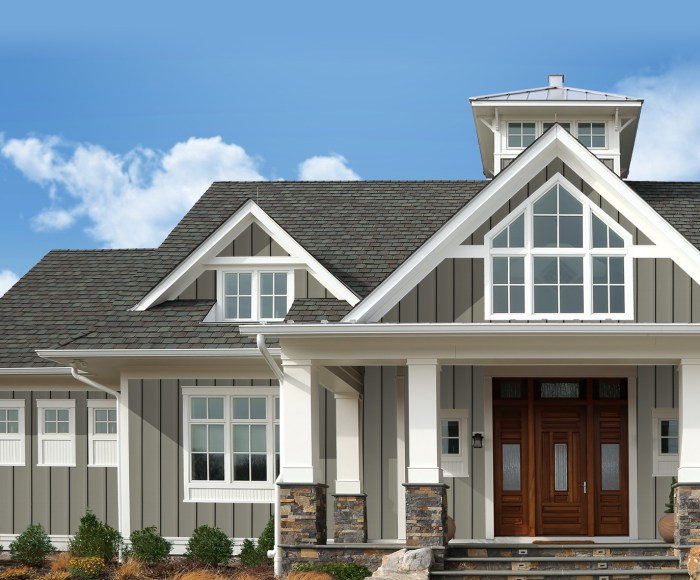
Vertical siding for houses can be made from various materials, each with its own unique characteristics and advantages. Here are some common materials used for vertical siding:
Vinyl Siding
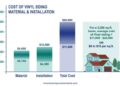
Vinyl siding is a popular choice due to its low cost, easy maintenance, and versatility in colors and styles. It is also resistant to rot, insect damage, and fading. Many modern houses opt for vinyl siding for its durability and affordability.
Wood Siding
Wood siding provides a natural and classic look to houses. It can be made from cedar, pine, or redwood. While wood siding offers a timeless aesthetic appeal, it requires more maintenance compared to other materials. Regular painting, staining, and sealing are necessary to prevent rot and decay.
Fiber Cement Siding
Fiber cement siding is a durable and low-maintenance option for vertical siding. It is resistant to fire, rot, and insects. Fiber cement siding can mimic the look of wood or stucco, making it a versatile choice for various architectural styles.
Metal Siding
Metal siding, such as steel or aluminum, offers a sleek and modern appearance to houses. It is durable, resistant to harsh weather conditions, and requires minimal maintenance. Metal siding is often used in contemporary and industrial-style homes for a distinctive look.
Brick Siding
Brick siding provides a classic and timeless appearance to houses. It is durable, fire-resistant, and requires little maintenance. Brick siding can be used as an accent or for the entire exterior of a house, adding texture and charm to the overall design.Each of these vertical siding materials offers a unique set of benefits and aesthetics, allowing homeowners to choose the best option based on their preferences and budget.
Design Trends and Styles
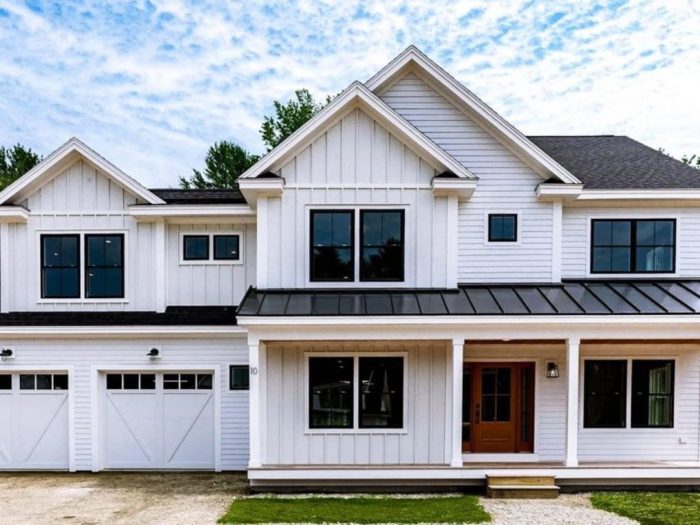
Vertical siding has become increasingly popular in modern design trends, offering a sleek and contemporary look to houses. The clean lines and vertical orientation can create a visually appealing facade that stands out from traditional horizontal siding.
Modern Design Trends
In modern architecture, vertical siding is often used to create a sense of height and elegance. It can be seen in minimalist designs, industrial-style homes, and even contemporary farmhouses. The use of materials like metal, fiber cement, or composite wood can give a modern twist to the traditional siding style.
Traditional Architectural Styles
Vertical siding is a common feature in traditional architectural styles such as Cape Cod, Colonial, and Victorian homes. These styles often incorporate vertical siding to add texture, depth, and character to the exterior of the house. The classic look of vertical siding can enhance the charm and authenticity of these timeless architectural designs.
Enhancing Aesthetic Appeal
Vertical siding can enhance the aesthetic appeal of a house by creating visual interest and adding a unique touch to the exterior. It can be used to accentuate certain architectural features, create contrast with other materials, or simply make a bold design statement.
Whether used as a primary siding material or as an accent, vertical siding has the versatility to complement a variety of architectural styles and enhance the overall curb appeal of a house.
Installation and Maintenance
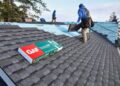
Installing vertical siding on houses is a meticulous process that requires attention to detail and proper tools. It typically involves measuring, cutting, and securing the siding in place to ensure a snug fit and clean finish. Here are some tips for a successful installation and maintaining vertical siding to prolong its durability.
Installation Process
- Start by preparing the surface of the house by cleaning it thoroughly and making any necessary repairs.
- Measure and cut the siding panels to fit the dimensions of the house, ensuring precise cuts for a seamless look.
- Secure the siding panels to the house using nails or screws, following the manufacturer’s guidelines for spacing and placement.
- Finish the installation by adding trim pieces around windows, doors, and corners for a polished appearance.
Maintenance Tips
- Regularly inspect the siding for any signs of damage, such as cracks, warping, or discoloration, and address them promptly.
- Clean the siding at least once a year using a mild detergent and water to remove dirt, mold, and mildew buildup.
- Avoid using harsh chemicals or abrasive tools that could damage the siding’s surface during cleaning.
- Consider applying a fresh coat of paint or sealant every few years to protect the siding from the elements and maintain its appearance.
Ending Remarks
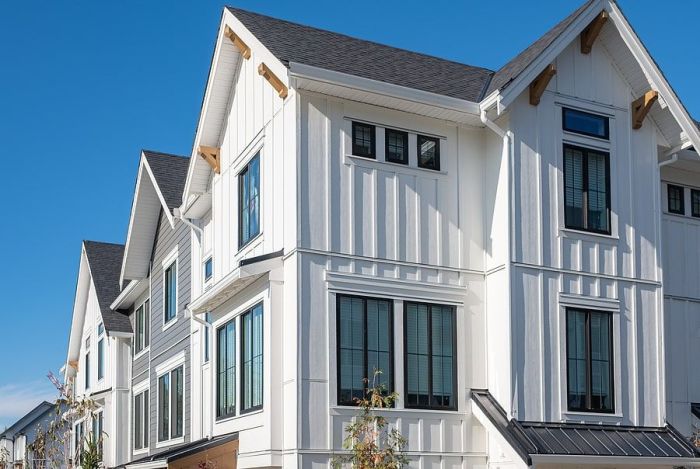
In conclusion, vertical siding houses offer a versatile and visually appealing option for homeowners looking to elevate their property’s aesthetics. With a range of materials, design styles, and installation considerations, vertical siding opens up a world of possibilities for creating a stunning exterior facade.
Answers to Common Questions
What are the benefits of vertical siding for houses?
Vertical siding offers increased durability, better insulation, and a unique visual appeal compared to traditional horizontal siding.
How do you maintain vertical siding?
Regular cleaning, inspections for damage, and prompt repairs are key to maintaining vertical siding and ensuring its longevity.
What are some common materials used for vertical siding?
Popular materials for vertical siding include wood, fiber cement, vinyl, and metal, each with its own advantages and considerations.