Diving into the realm of typical cost for vinyl siding installation, this introduction sets the stage for an informative journey that uncovers the key factors influencing pricing. From the size of your home to the quality of materials used, we’ll explore how these elements come together to determine the overall cost of vinyl siding installation.
As we delve deeper into the intricacies of pricing, readers can expect to gain valuable insights into the different cost ranges, comparisons with alternative siding materials, and essential additional expenses to consider when planning for vinyl siding installation.
Factors Affecting Cost of Vinyl Siding Installation
When considering the cost of vinyl siding installation, several factors come into play that can influence the overall expenses. Understanding these factors can help homeowners make informed decisions and budget accordingly.
Size of the House
The size of the house is a significant factor that affects the cost of vinyl siding installation. Larger homes require more materials and labor, resulting in higher overall costs. The square footage of the house directly correlates to the amount of siding needed, impacting the final price.
Quality of Materials
The quality of the vinyl siding chosen can greatly impact the cost of installation. Higher quality materials tend to be more durable and aesthetically pleasing but come at a higher price point. Homeowners must consider their budget and desired level of quality when selecting siding materials.
Labor Costs
Labor costs play a crucial role in determining the total cost of vinyl siding installation. Experienced and reputable contractors may charge higher rates for their services, but the quality of workmanship is often worth the investment. Labor costs can vary based on location, contractor expertise, and project complexity.
Additional Features
Incorporating additional features such as insulation, trim details, and labor-intensive designs can increase the cost of vinyl siding installation. Insulation improves energy efficiency but adds to the overall expenses. Intricate trim work and custom designs require more time and effort, resulting in higher labor costs.
Average Cost Range for Vinyl Siding Installation
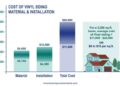
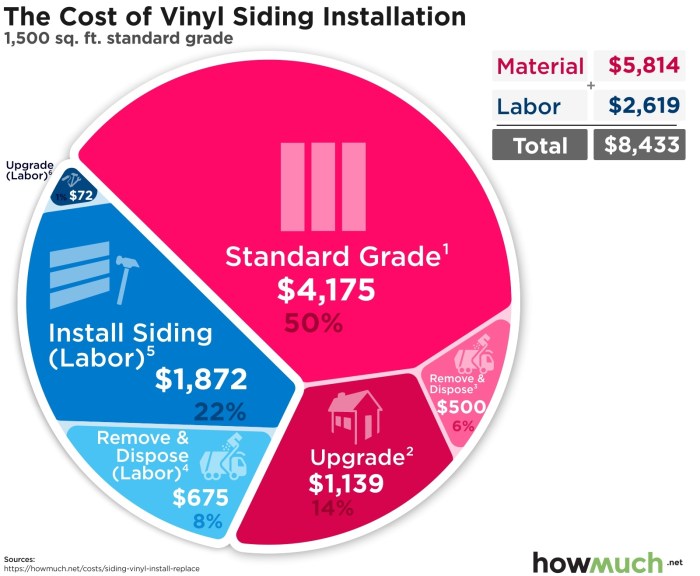
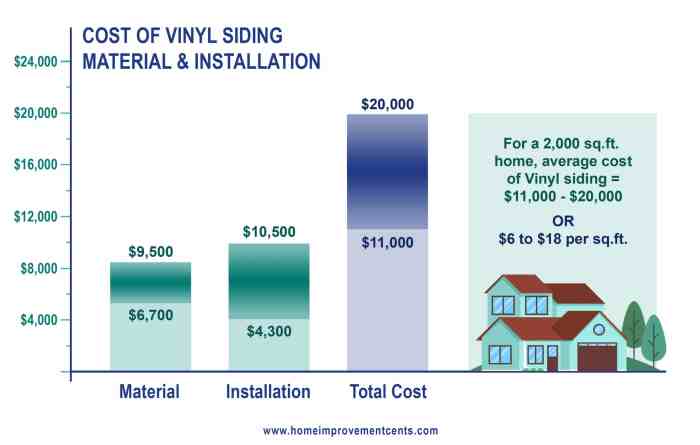
When it comes to the cost of vinyl siding installation, it is essential to understand the average cost range and the factors that can affect it.The average cost of vinyl siding installation typically ranges from $3 to $7 per square foot.
This cost includes the materials, labor, and any additional expenses associated with the installation process.
Differences in Cost Between Basic, Mid-Range, and High-End Vinyl Siding Options
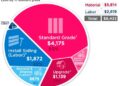
- Basic vinyl siding options usually cost around $3 to $4 per square foot. These options are more affordable but may lack some features found in mid-range or high-end options.
- Mid-range vinyl siding options typically range from $4 to $6 per square foot. These options offer a balance between affordability and quality, providing a wider selection of styles and colors.
- High-end vinyl siding options can cost anywhere from $6 to $7 per square foot. These options are often premium quality, durable, and come in a variety of styles and finishes.
Geographical Location and Market Trends Impact on Average Cost
The geographical location of the property can significantly impact the average cost of vinyl siding installation. Areas with higher costs of living or higher demand for construction services may have higher installation costs compared to other regions.Market trends also play a crucial role in determining the average cost of vinyl siding installation.
Fluctuations in material prices, labor costs, and overall market demand can influence how much homeowners can expect to pay for their siding project.It’s essential to consider these factors when planning for vinyl siding installation to ensure a budget that aligns with the average cost range in your area.
Cost Comparison: Vinyl Siding vs. Other Siding Materials
When considering siding materials for your home, it’s important to weigh the cost implications of each option. Let’s compare the cost of vinyl siding installation with other popular siding materials like wood, fiber cement, and metal to help you make an informed decision.
Wood Siding
Wood siding can be a more expensive option compared to vinyl siding. While the initial cost of wood siding may be higher, some homeowners prefer the natural look and feel of wood. However, wood siding requires regular maintenance, such as painting or staining, which can add to the long-term costs.
Fiber Cement Siding
Fiber cement siding is a durable and low-maintenance option that falls in the mid to high range in terms of cost. While the initial cost of fiber cement siding may be higher than vinyl, it is resistant to rot, pests, and fire, which can result in long-term cost savings on maintenance and repairs.
Metal Siding
Metal siding is a cost-effective option that is durable and low-maintenance. While the initial cost of metal siding may be comparable to vinyl, it offers excellent longevity and resistance to weather elements. However, metal siding may dent or rust over time, requiring some maintenance.
Choosing vinyl siding can offer cost benefits in the long run due to its low maintenance and durability.
Vinyl siding is a budget-friendly option that requires minimal maintenance compared to other siding materials. It is resistant to rot, insects, and fading, reducing the need for frequent repairs or replacements. This can result in significant long-term cost savings for homeowners.
Additional Costs to Consider
When budgeting for vinyl siding installation, homeowners need to consider several additional costs that can impact the overall project expenses. These extra costs can arise from various factors such as the removal of old siding, disposal fees, permits, necessary repairs, structural damage, and customization requests.
Removal of Old Siding and Disposal Fees
Before installing new vinyl siding, the old siding must be removed, which may require additional labor costs. Homeowners should also factor in disposal fees for getting rid of the old siding material properly.
Permits and Necessary Repairs
Depending on local regulations, homeowners may need to obtain permits for the vinyl siding installation, which can add to the overall cost. Additionally, any necessary repairs to the underlying structure or sheathing should be addressed before the new siding is installed, contributing to the total expenses.
Structural Damage and Customization Requests
If structural damage is discovered during the installation process, repairs will be needed, leading to increased costs. Furthermore, any customization requests such as intricate designs, special colors, or unique features can result in additional expenses for the homeowner.
Ultimate Conclusion
In conclusion, the discussion on typical cost for vinyl siding installation sheds light on the complexities of pricing and the importance of considering various factors before making a decision. Whether you’re aiming for cost-effectiveness or long-term durability, understanding these nuances can guide you towards a well-informed choice for your home.
Frequently Asked Questions
What factors can influence the cost of vinyl siding installation?
Factors like the size of the house, quality of materials, and labor costs play a significant role in determining the overall cost of vinyl siding installation.
What is the typical cost range for vinyl siding installation per square foot?
The cost range varies based on the quality of materials and design options, with basic options starting at around $3 to $7 per square foot, mid-range at $5 to $10, and high-end at $7 to $12.
How does the cost of vinyl siding installation compare to other materials?
Vinyl siding is often more cost-effective compared to materials like wood, fiber cement, and metal. Its long-term durability and low maintenance requirements can lead to cost savings over time.
What are some additional costs homeowners should consider for vinyl siding installation?
Additional costs may include removal of old siding, disposal fees, permits, repairs, and unexpected issues like structural damage or customization requests. It’s important to budget for these expenses.