Beginning with Marcel Breuer, the narrative unfolds in a compelling and distinctive manner, drawing readers into a story that promises to be both engaging and uniquely memorable. Marcel Breuer, a visionary architect and designer, left an indelible mark on the world of modern architecture with his innovative designs and groundbreaking contributions.
This exploration delves into his life, work, and lasting influence on the architectural landscape.
Marcel Breuer’s legacy continues to inspire and intrigue those passionate about architecture and design, making this journey through his remarkable career both enlightening and captivating.
Background Information
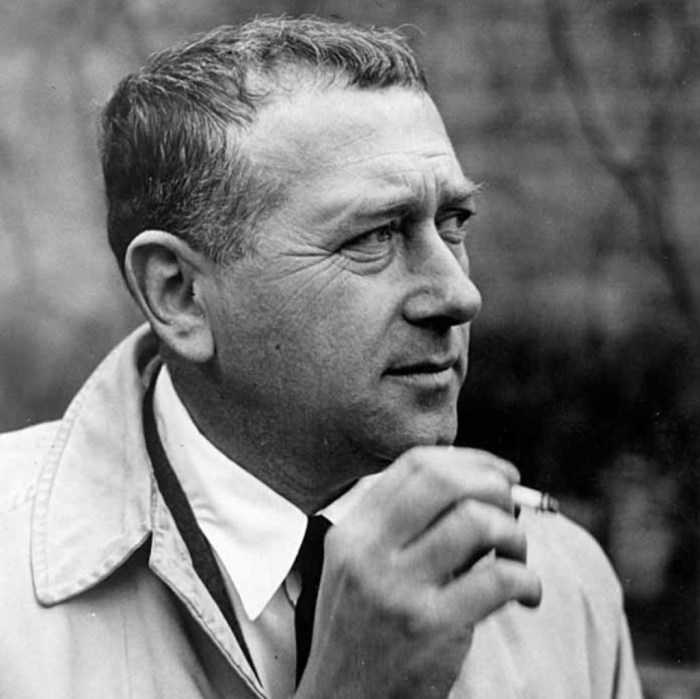
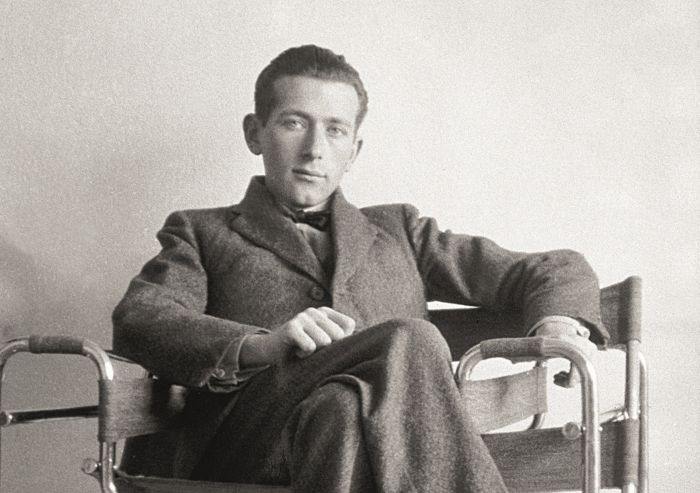
Marcel Breuer, born in Hungary in 1902, was a renowned architect and designer who played a significant role in the development of modernist design principles. He studied and later taught at the Bauhaus school, where he was influenced by the likes of Walter Gropius.
Breuer’s career spanned several decades, during which he created iconic buildings and furniture pieces that continue to inspire architects and designers to this day.
Significant Contributions to Architecture and Design
- Known for his innovative use of materials such as steel and glass in architectural design.
- Pioneered the use of tubular steel in furniture design, creating iconic pieces like the Wassily Chair.
- Designed buildings that prioritized functionality and simplicity, reflecting the principles of modernism.
- His work blurred the lines between architecture and design, influencing both fields significantly.
Impact on Modernist Design Principles
Marcel Breuer’s work had a profound impact on modernist design principles, shaping the way architects and designers approached their craft. His emphasis on functionality, simplicity, and the use of modern materials set a new standard for design in the 20th century.
Breuer’s buildings and furniture pieces are celebrated for their clean lines, geometric shapes, and innovative use of space, all of which have become hallmarks of modernist design.
Architectural Style
Marcel Breuer is known for his innovative architectural style that seamlessly combines traditional craftsmanship with modern materials and forms. His designs often feature clean lines, geometric shapes, and a focus on functionality. Breuer’s use of concrete, steel, and glass in his buildings reflected his Bauhaus training and commitment to simplicity and efficiency in design.
Comparison with Other Architects
When compared to other prominent architects of his time, such as Le Corbusier and Ludwig Mies van der Rohe, Breuer’s style stood out for its unique blend of modernist principles with a touch of warmth and human scale. While Le Corbusier’s designs were more abstract and Mies van der Rohe’s were characterized by minimalism, Breuer’s work often exuded a sense of intimacy and connection to the surrounding environment.
Evolution of Style
Over the course of his career, Marcel Breuer’s style evolved from experimentation with new materials and forms to a more refined and mature approach. His early works, like the Whitney Museum of American Art in New York, showcased his bold use of concrete and sculptural shapes.
As he gained more experience, Breuer began to incorporate more organic elements and softer lines into his designs, as seen in projects like the UNESCO headquarters in Paris. This evolution demonstrated his ability to adapt and grow while maintaining his signature style.
Notable Works
Marcel Breuer, known for his innovative architectural style, has created several iconic buildings that have left a lasting impact on the architectural landscape. Let’s explore some of his most famous projects and their influence.
Whitney Museum of American Art
The Whitney Museum of American Art in New York City is one of Marcel Breuer’s most famous works. Completed in 1966, this building features a striking facade made of granite and concrete, showcasing Breuer’s signature brutalist style. The museum’s inverted ziggurat design and use of geometric shapes make it a standout example of modernist architecture.
St. John’s Abbey Church
Another notable work by Marcel Breuer is the St. John’s Abbey Church in Collegeville, Minnesota. Completed in 1961, this church is characterized by its futuristic design and innovative use of concrete. The soaring concrete bell banner and minimalist interior reflect Breuer’s ability to create dramatic and functional spaces.
Atlanta-Fulton Central Public Library
The Atlanta-Fulton Central Public Library, completed in 1980, is a prime example of Marcel Breuer’s architectural prowess. The building’s geometric design and use of exposed concrete showcase Breuer’s modernist style while providing a functional and visually striking space for library patrons.
These notable works by Marcel Breuer have had a significant influence on the architectural landscape, inspiring future generations of architects to explore new materials, forms, and design concepts. Breuer’s innovative use of concrete, geometric shapes, and minimalist aesthetic continues to be a source of inspiration in the world of architecture.
Furniture Design
Marcel Breuer’s influence in furniture design was profound, revolutionizing the industry with his innovative approach and iconic pieces that continue to be celebrated today.
His furniture designs were not only visually striking but also highly functional, reflecting his architectural principles of simplicity, functionality, and the innovative use of materials.
Iconic Furniture Pieces
- Breuer’s Wassily Chair, designed in 1925, is a true icon of modern furniture design. Featuring a tubular steel frame and leather straps, this chair exemplifies Breuer’s use of industrial materials in a sleek and minimalist form.
- The Cesca Chair, created in 1928, is another classic piece designed by Breuer. With its cantilevered tubular steel frame and woven cane seat and back, this chair showcases his ability to combine form and function seamlessly.
Reflection of Architectural Principles
- Breuer’s furniture designs often echo the clean lines, geometric shapes, and innovative use of materials seen in his architectural works. The emphasis on functionality and simplicity is evident in both his buildings and furniture pieces.
- His use of tubular steel, a material commonly associated with bicycles at the time, was groundbreaking in furniture design and perfectly aligned with his belief in the potential of industrial materials to create modern, accessible designs.
Wrap-Up
In conclusion, Marcel Breuer’s impact on architecture and design is immeasurable, with his work standing the test of time as a testament to his creative brilliance and visionary approach. Exploring the world of Marcel Breuer offers a glimpse into the mind of a true pioneer whose innovative spirit continues to shape the way we view and interact with the spaces around us.
Answers to Common Questions
What are some key contributions of Marcel Breuer to the field of architecture and design?
Marcel Breuer made significant contributions to architecture and design through his innovative use of materials, his development of modernist design principles, and his iconic furniture designs.
Can you provide examples of Marcel Breuer’s notable works?
Some of Marcel Breuer’s most famous architectural projects include the UNESCO headquarters in Paris, the Whitney Museum of American Art in New York, and the Saint John’s Abbey Church in Minnesota.
How did Marcel Breuer’s architectural style evolve over his career?
Marcel Breuer’s architectural style evolved from early influences of Bauhaus design to a more organic and sculptural approach, showcasing a dynamic progression in his design aesthetic.