Embark on a journey through the world of house room design, where every corner tells a unique story of style and functionality. From color schemes to furniture selection, discover how each element plays a vital role in shaping the ambiance of a room.
Delve deeper into the art of designing house rooms and unleash your creativity to transform living spaces into personalized sanctuaries.
Understanding House Room Design
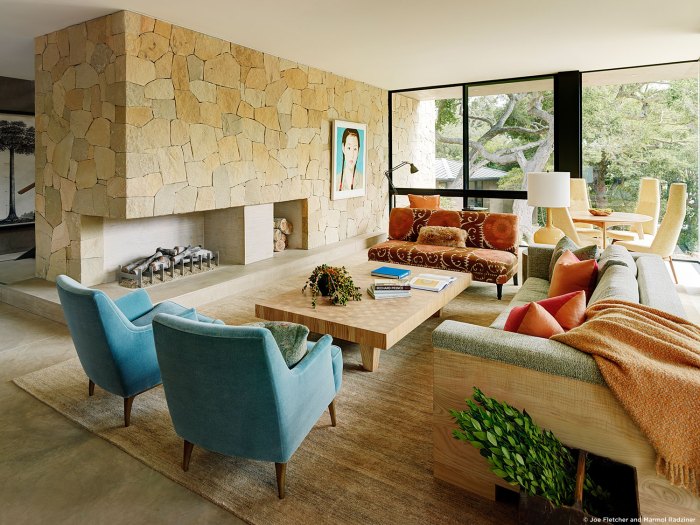
House room design refers to the process of planning and arranging the layout, furniture, decor, and overall aesthetics of a room within a house to create a functional and visually appealing space.
It is essential to have a well-thought-out room design in a house as it can significantly impact the overall atmosphere, functionality, and comfort of the living space. Thoughtful design can enhance the mood of the room, optimize the use of space, and reflect the personality and style of the occupants.
Importance of Thoughtful Room Design
- Properly chosen color schemes can influence the mood of a room. For example, warm tones like red and orange can create a cozy atmosphere, while cool tones like blue and green can evoke a sense of calmness.
- Furniture placement plays a crucial role in maximizing space and ensuring easy movement within the room. Strategic placement can also help define different areas within a room, such as a seating area or a workspace.
- Lighting fixtures can impact both the functionality and ambiance of a room. Natural light can make a space feel more open and inviting, while dimmable artificial lighting can create different moods for various activities.
Personal Preferences in Room Design
- Personal preferences, such as favorite colors, styles, and decorative elements, can heavily influence the design choices for a house room. These preferences help create a personalized and unique space that reflects the individuality of the occupants.
- Some people may prefer minimalist designs with clean lines and neutral colors, while others may opt for a more eclectic style with bold patterns and vibrant hues. Understanding personal preferences is key to designing a space that feels comfortable and inviting.
Elements of House Room Design
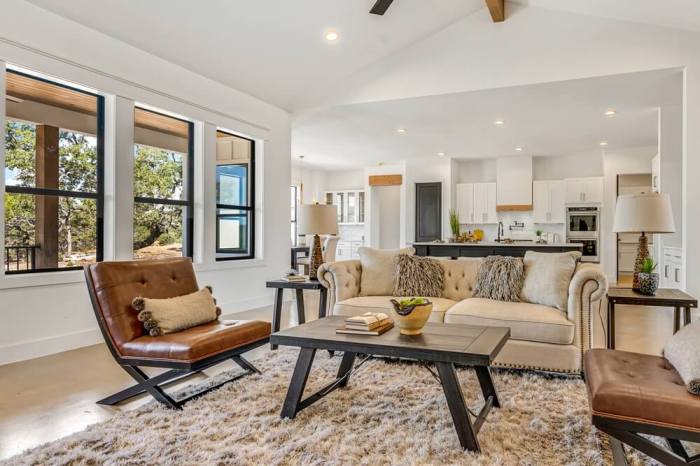
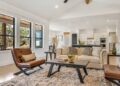
When designing a house room, several key elements need to be considered to create a cohesive and visually appealing space. These elements include the layout, color scheme, furniture, and lighting. Each of these components plays a crucial role in shaping the overall design of the room.
Layout
The layout of a room determines the flow and functionality of the space. It is essential to consider the size and shape of the room when planning the layout. A well-thought-out layout can maximize the use of space and create a comfortable environment for different activities.
Color Scheme
The color scheme sets the mood and ambiance of the room. Different colors evoke different emotions, so it is important to choose colors that align with the purpose of the room. For example, warm tones like red and orange can create a cozy atmosphere in a living room, while cool tones like blue and green are calming choices for a bedroom.
Furniture
Furniture not only serves a functional purpose but also contributes to the aesthetic appeal of the room. The style, size, and placement of furniture pieces can greatly impact the overall design. It is essential to select furniture that complements the room’s layout and color scheme while also providing comfort and practicality.
Lighting
Lighting plays a crucial role in enhancing the mood and functionality of a room. Proper lighting can highlight key design elements, create visual interest, and improve the overall ambiance. A combination of ambient, task, and accent lighting is often used to achieve a balanced and well-lit space.Balancing functionality and style is key in room design as it ensures that the room not only looks good but also serves its intended purpose effectively.
Successful integration of different design elements can be seen in rooms where the layout optimizes the available space, the color scheme complements the furniture choices, and the lighting enhances the overall atmosphere. By carefully considering each element and finding a harmonious balance between them, a well-designed house room can be achieved.
Room Layout and Space Planning
Creating an efficient room layout is crucial for maximizing usability and comfort in any space. By strategically planning the layout and optimizing space utilization, you can enhance the functionality and overall appeal of a room.
Optimizing Space Planning
When it comes to optimizing space planning, consider the following tips:
- Start by measuring the dimensions of the room and creating a floor plan to visualize the space.
- Identify the focal point of the room, such as a fireplace or a large window, and arrange furniture around it.
- Utilize multifunctional furniture pieces like storage ottomans or pull-out sofas to maximize space.
- Ensure there is enough clearance for walking paths and that furniture is not blocking doorways or windows.
Arranging Furniture and Decor
To enhance the room’s functionality, consider the following tips:
- Place furniture in a way that promotes conversation and interaction among occupants.
- Balance the layout by mixing different furniture sizes and shapes to create visual interest.
- Use area rugs to define different zones within the room and add warmth to the space.
- Consider the flow of natural light and position furniture accordingly to optimize natural lighting.
Creating a Cohesive Flow
To ensure a cohesive flow between different areas within a room, keep the following in mind:
- Maintain a consistent color palette and style throughout the room for a harmonious look.
- Use elements like mirrors and artwork to visually connect different areas and create a sense of continuity.
- Consider the function of each area and arrange furniture to support those activities seamlessly.
- Don’t overcrowd the room with unnecessary furniture or decor; allow for breathing space to create a sense of openness.
Color Schemes and Mood Setting
When it comes to designing a house room, choosing the right color scheme is crucial as it plays a significant role in setting the mood and ambiance of the space. Different colors have the power to evoke various emotions and create specific atmospheres within a room.
Impact of Color Schemes
Color schemes can greatly impact the ambiance of a room by influencing the emotions and moods of the individuals who occupy the space. For example, warm colors like red, orange, and yellow tend to create a cozy and inviting atmosphere, perfect for living rooms or social areas.
On the other hand, cool colors such as blue, green, and purple can promote relaxation and tranquility, making them suitable for bedrooms or bathrooms.
Popular Color Schemes for Different Room Types
- Bedroom: Soft and soothing color schemes like pastel blues, greens, and lavenders are commonly used to promote relaxation and restful sleep.
- Living Room: Neutral tones such as beige, gray, and white are popular choices for living rooms as they provide a versatile backdrop for furniture and decor.
- Kitchen: Bright and energetic colors like red, yellow, and orange are often used in kitchens to stimulate appetite and create a lively atmosphere.
Tips for Choosing the Right Colors
- Consider the function of the room: Choose colors that align with the purpose of the space, such as calming hues for bedrooms and energizing tones for work areas.
- Take lighting into account: Natural and artificial lighting can affect how colors appear in a room, so test samples in different lighting conditions before making a final decision.
- Use color psychology: Research how different colors can impact mood and behavior to choose hues that support the desired atmosphere in each room.
Furniture Selection and Placement
When it comes to designing a house room, selecting the right furniture is crucial in creating a functional and visually appealing space. The furniture not only serves a practical purpose but also contributes to the overall style and atmosphere of the room.
Importance of Furniture Selection
Choosing appropriate furniture for a house room is essential as it sets the tone for the entire space. The right furniture pieces can enhance the functionality of the room while also reflecting the homeowner’s style and personality.
Furniture Placement and Its Impact
- Proper furniture placement can significantly affect the functionality of a room. It can create designated areas for different activities such as lounging, dining, or working.
- The placement of furniture also plays a key role in the visual appeal of a space. A well-balanced layout can make the room feel more spacious and inviting.
Mixing and Matching Furniture Styles
To create a cohesive look in a room, consider mixing and matching furniture styles. This can add visual interest and depth to the space. Here are some ideas:
- Combine modern and traditional pieces for a unique blend of styles.
- Use furniture with similar color tones to tie different styles together.
- Experiment with different textures and materials to create a harmonious look.
Choosing Furniture for Design Theme
When selecting furniture, it’s important to choose pieces that complement the overall design theme of the room. Here are some tips to help you make the right choices:
- Consider the scale and proportion of the furniture in relation to the size of the room.
- Stick to a cohesive color palette that aligns with the design theme.
- Look for furniture that reflects the mood and style you want to achieve in the space.
Lighting Design and Atmosphere
Lighting plays a crucial role in setting the ambiance of a room, impacting its overall look and feel. Proper lighting design can enhance the mood, create a cozy atmosphere, and highlight key features of the space.
Types of Lighting and Their Uses
- Ambient Lighting: This type of lighting provides overall illumination to the room, ensuring it is well-lit and inviting. It can be achieved through ceiling fixtures, chandeliers, or wall sconces.
- Task Lighting: Task lighting is focused on specific areas where activities like reading, cooking, or working take place. Examples include desk lamps, under-cabinet lights, or pendant lights over a kitchen island.
- Accent Lighting: Accent lighting is used to highlight architectural features, artwork, or decorative elements in the room. It adds depth and character by creating visual interest. Track lighting, wall-mounted fixtures, or picture lights are common choices for accent lighting.
Creative Lighting Ideas
- Use dimmer switches to adjust the intensity of light and create different moods throughout the day.
- Incorporate LED strip lights under shelves or cabinets to add a subtle glow and create a modern look.
- Install pendant lights at varying heights to add visual interest and create a dynamic lighting scheme.
Layering Lighting for Effectiveness
Layering lighting involves combining different types of lighting to create a well-balanced and functional space. By incorporating ambient, task, and accent lighting, you can achieve a layered effect that enhances the room’s ambiance.
Conclusive Thoughts
In conclusion, house room design is a harmonious blend of aesthetics and practicality, where every choice contributes to a cohesive and inviting living space. Let your imagination run wild as you craft rooms that reflect your personality and enhance your everyday living experience.
FAQ Explained
What is the importance of thoughtful room design in a house?
Thoughtful room design enhances the overall functionality and aesthetic appeal of a living space, creating a comfortable and visually pleasing environment.
How do personal preferences influence the design of house rooms?
Personal preferences serve as the guiding force behind the selection of colors, furniture, and decor, infusing a unique touch that reflects the homeowner’s taste and style.
What are some tips for optimizing space planning in a room layout?
Maximize space utilization by considering traffic flow, focal points, and the placement of furniture to ensure a harmonious and efficient layout.
How does lighting design contribute to the overall atmosphere of a room?
Lighting design plays a crucial role in setting the mood and ambiance of a room, highlighting key features and creating a warm and inviting space.